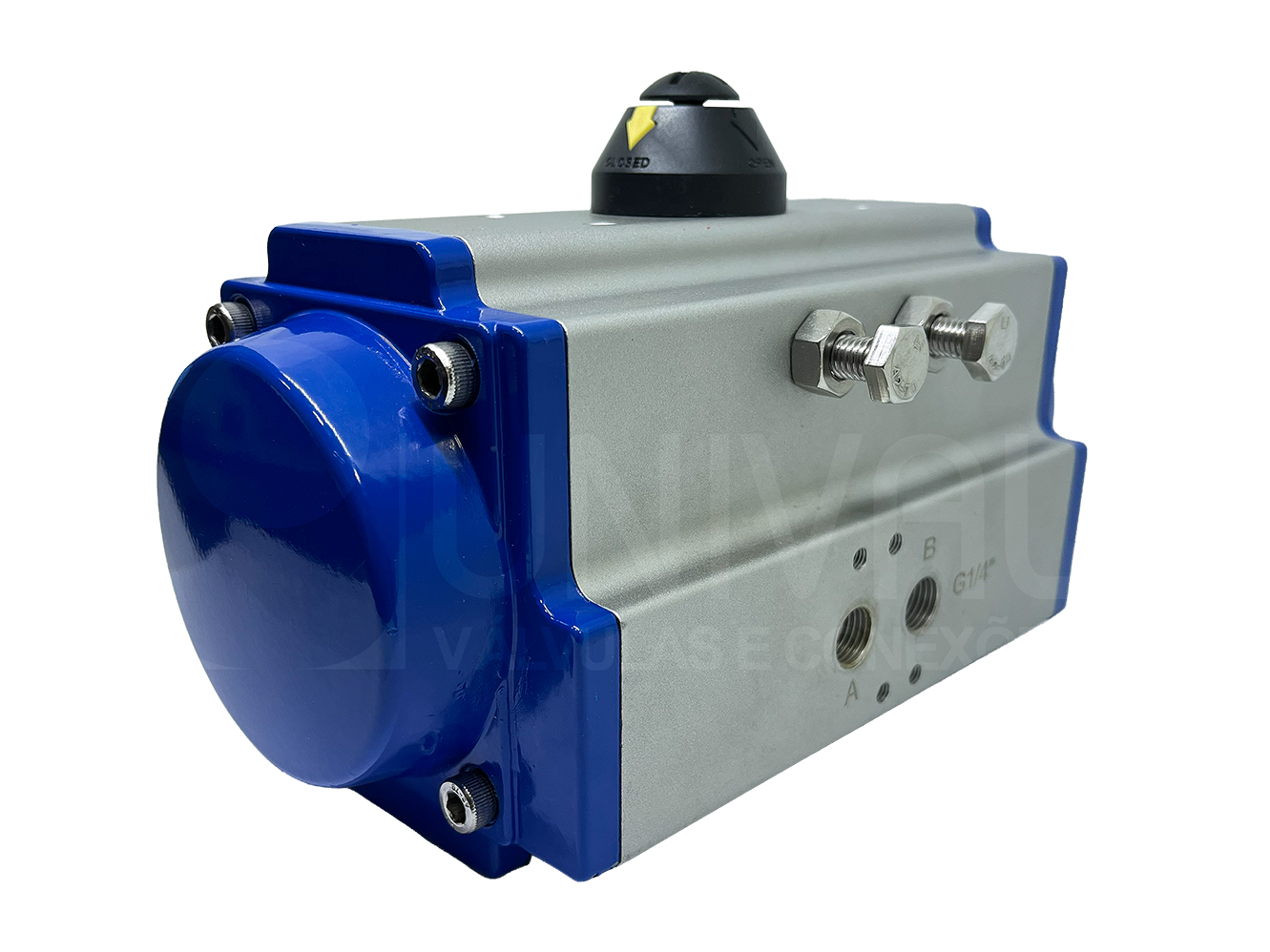


The valve's main function is the automatic and continuous control of the process, and is used for various purposes, such as: • On-off service; • Prevention of reverse flow; • Pressure control and relief; • Flow limitation;
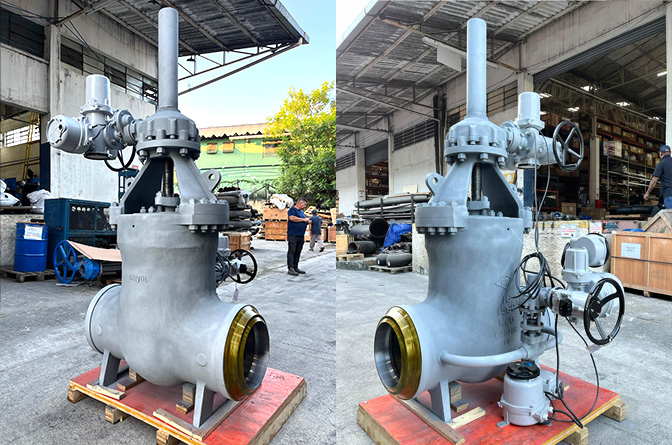
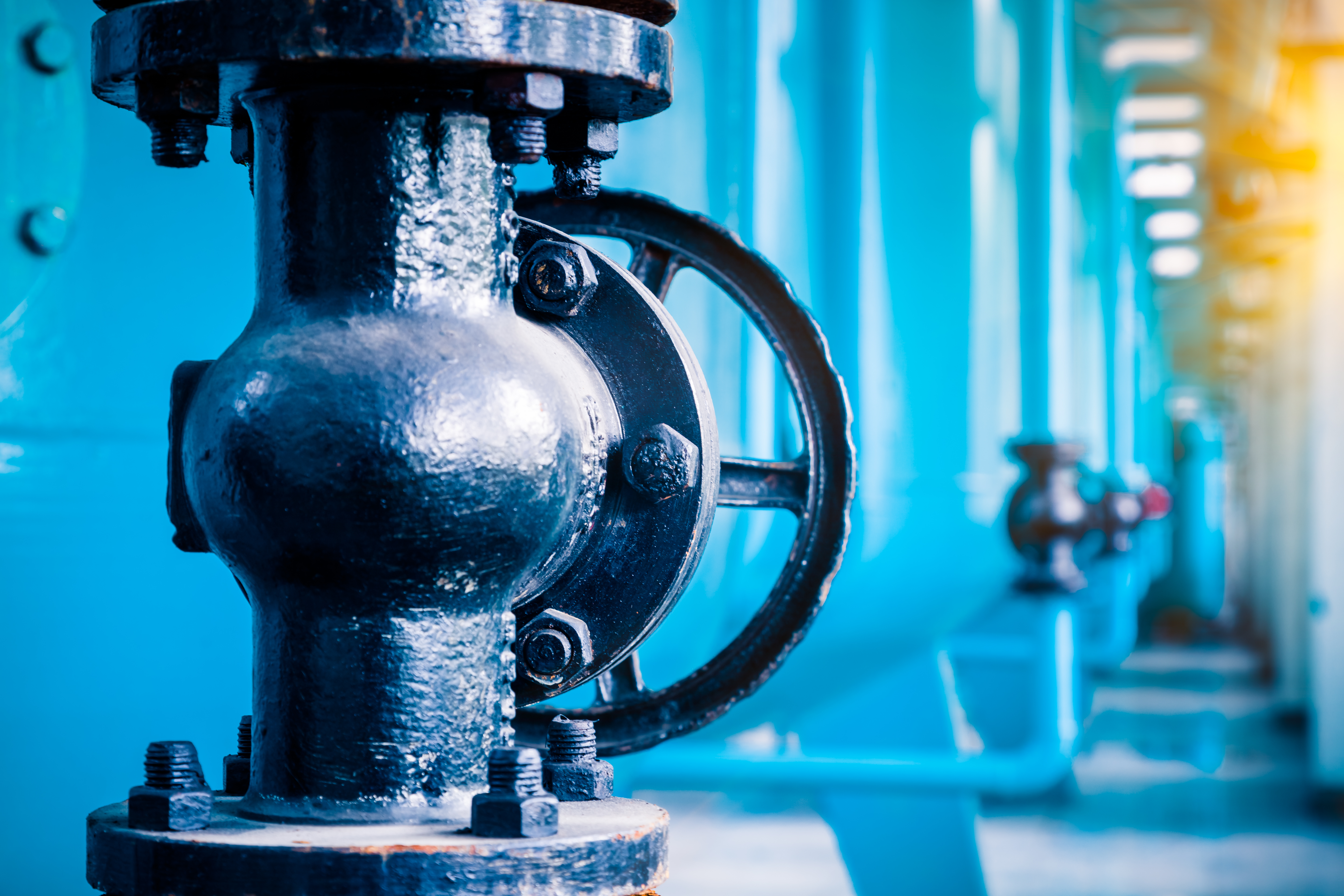
There are several types of valves that sometimes we don't even know their purpose, right? One of them is the gate valve. The main characteristic of the Gate Valve is its minimal obstruction to the flow passage when fully open, providing low turbulence, with an almost insignificant pressure loss. This is possible because its sealing system acts perpendicular to the flow line. Gate valves are typically used in processes that don't require frequent opening and closing operations. This type of valve has a wide variety of applications. It operates by sliding a disc or wedge through the fluid flow. Operating the disc is similar to operating a drawer in a cabinet: the disc enters the fluid flow and blocks it; it exits the flow and allows it to flow. Gate valves should be used only as shut-off valves and should remain in the fully open or closed position. Gate valves are characterized as having either a rising or non-rising stem. Rising stems provide a visual indication of the valve's position. The stem is attached to the gate, so they rise and fall together as the valve is operated. Non-rising stem valves may have a threaded pointer on the top end to indicate valve position as the gate moves up or down the stem over the guide without raising or lowering the stem. Non-rising stems are used underground or where vertical space is limited.
Among the main advantages of this type of valve we can mention: • Watertight for any type of fluids; • Allows flow in both directions; • Unobstructed passage when fully open; • Construction in a wide range of sizes; At Unival, you'll find the best valves on the market. Unival always prioritizes its customers' requests to better serve them, no matter what the circumstances. That's why you shouldn't miss becoming a Unival customer.