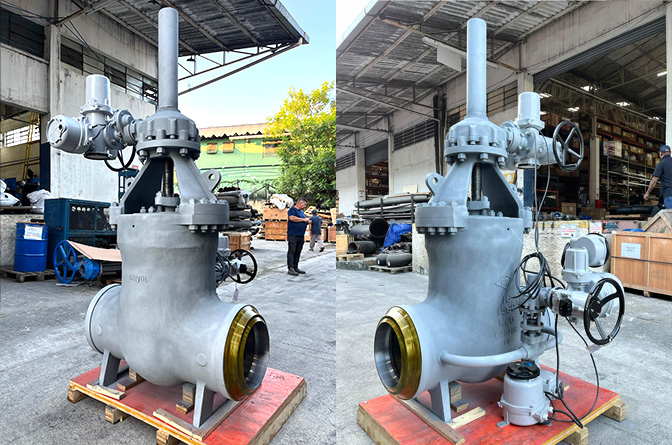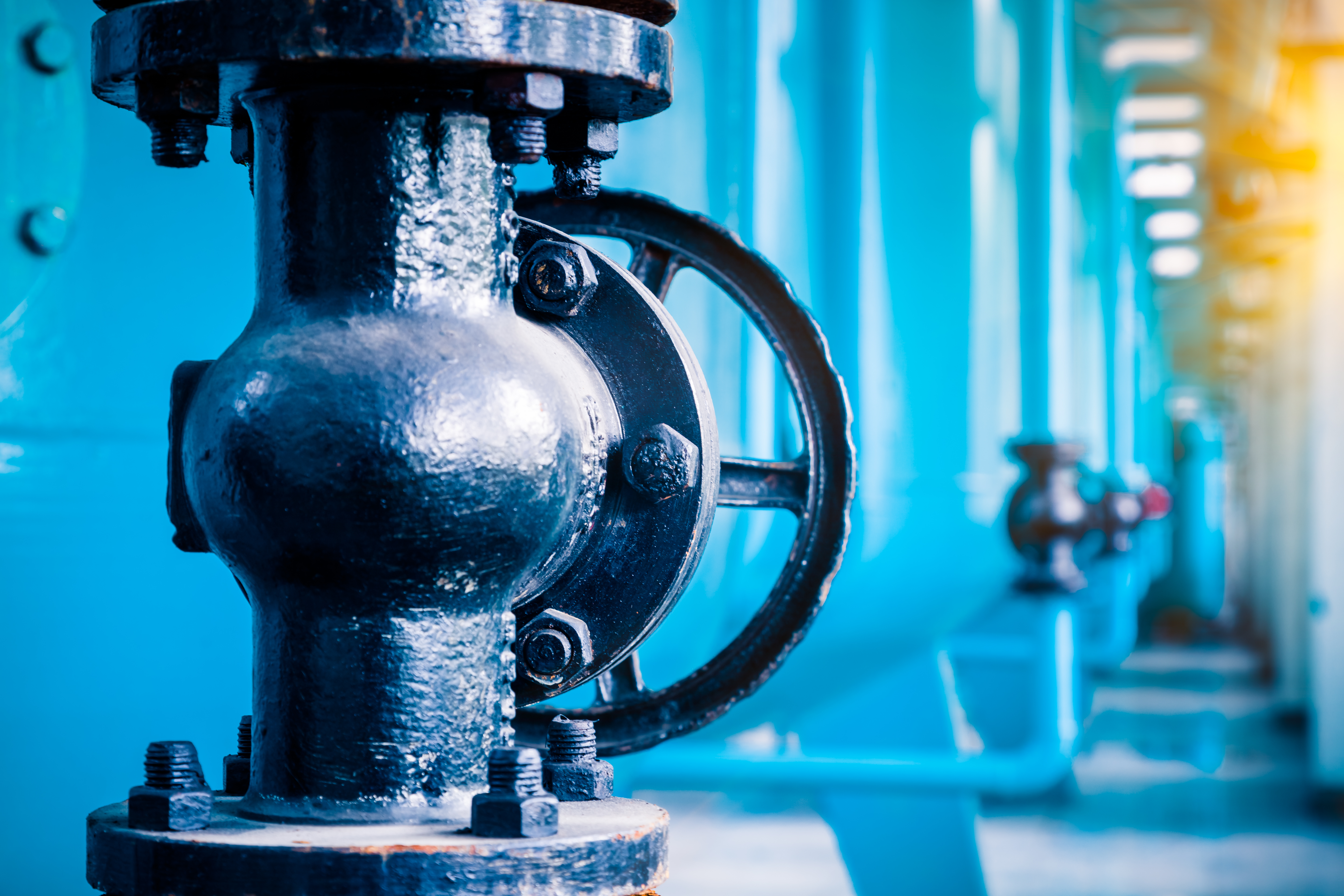


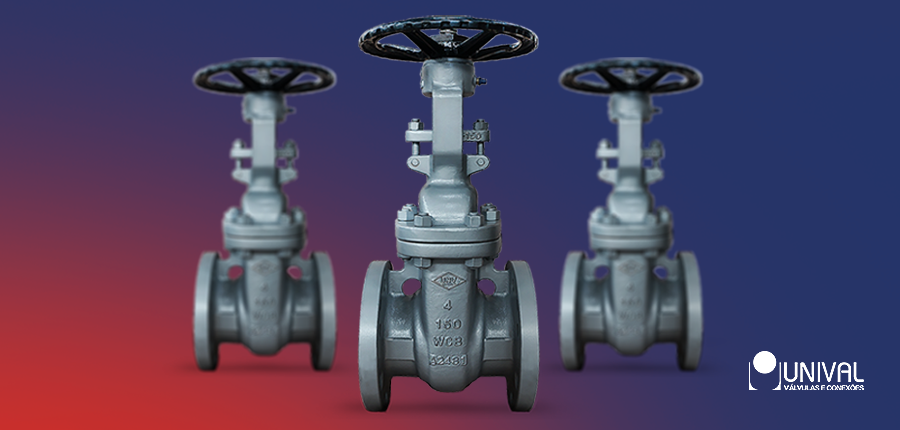
The gate valve is a component widely used in industry and falls within the group of manual shut-off valves. The gate valve offers excellent responsiveness because when open, it does not obstruct the flow. Therefore, the component is considered a simple yet extremely effective material.
Gate valves are gentle and slow to operate compared to other types of valves. Therefore, they are often installed in systems where constant opening and closing is not required.
What are the advantages of a gate valve?
The gate valve offers a series of advantages for those who use it, among which we can highlight:
- Completely free passage when open;
- Excellent use for stopping any type of fluid;
- It is built for structures of various sizes;
- Allows flow in both directions;
- It is manufactured and tested according to API 600, API 598 and ASME 16.34 standards.
What to expect from a gate valve?
The gate valve is a shut-off mechanism that provides safety and stability. It is used for water or other fluids, such as raw materials.
This equipment can be built in a variety of ways and is manufactured exactly according to the customer's needs, which makes it possible to specifically meet unique and differentiated objectives.
Gate valves are designed for industrial environments and fully release fluid when fully open and stop the flow when properly closed. Therefore, they are considered highly precise equipment.
Why is the gate valve called that?
The gate valve has a shutter, made of parallel faces that follow the stem, which moves according to its connection. The valve's shutter is called a "gate" because of its characteristics.
When the operator opens and closes the gate valve, the rods slide smoothly through the shutter, or gate, a movement that allows the part to function perfectly.
How is the gate valve formed?
Gate valves are designed to handle all types of fluids, as well as withstand temperature and pressure. The minimum components required to assemble this type of valve are:
- Steering wheel;
- Castle;
- Stem;
- Body;
- Thirst;
How are gate valves manufactured?
Gate valves are made of a material that can withstand temperature variations and is highly resistant to extreme heat and cold. For sealing, a metal-to-metal structure is used, with precise connections between the seat and the gate. This ensures complete safety for the procedures in which it is used.
How are gate valves maintained?
The gate valve requires periodic maintenance and, when necessary, some components may be replaced, such as adjustments to the seat and gate, which are changed periodically. It's important that technical inspections be part of your routine to ensure the functionality and long life of the gate valve.
Unival Valves and Connections offers the best gate valves on the market. Contact our customer service team!