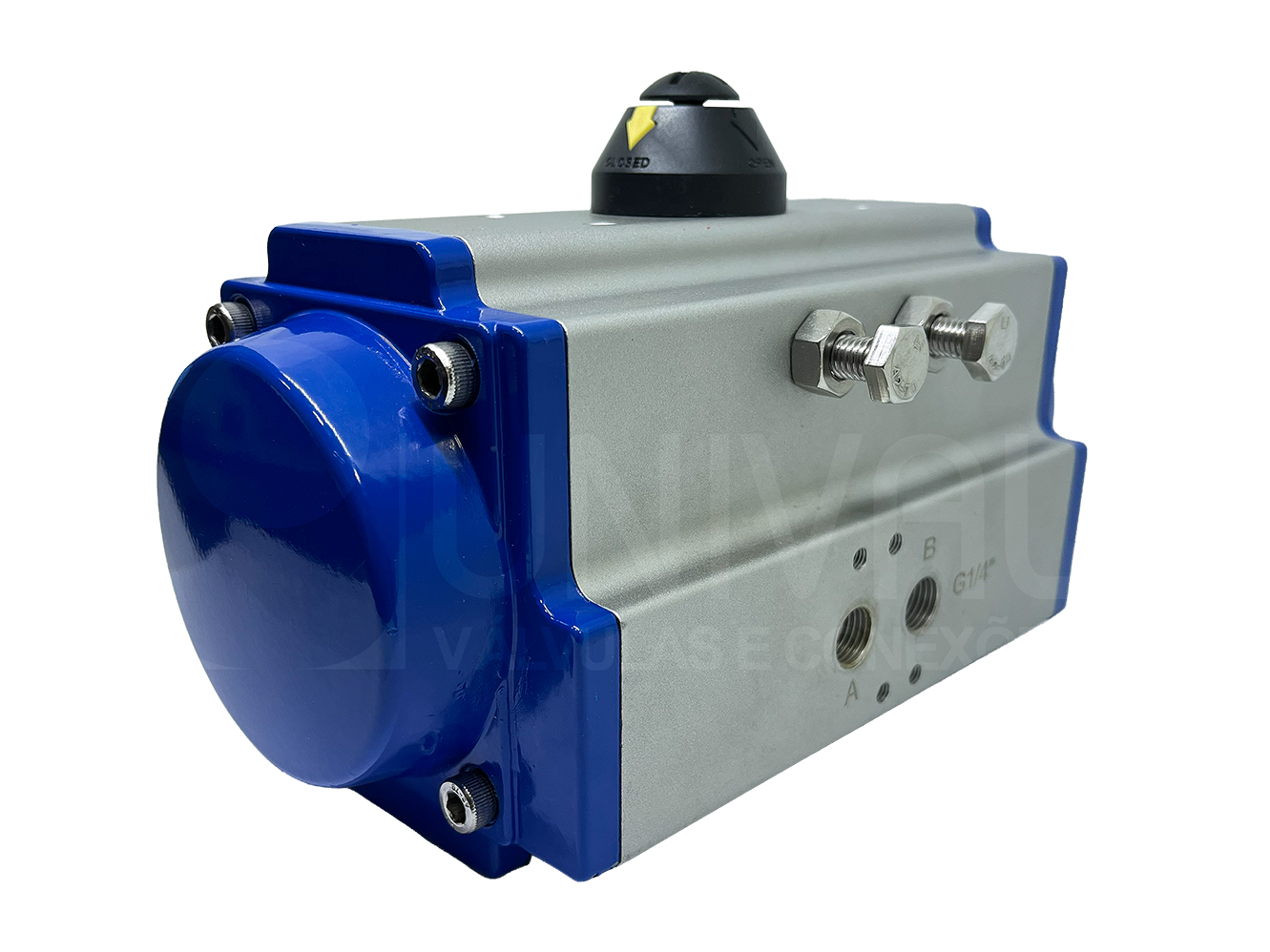


We're delving deeper into the specifics of valves, and today's topic is a component called an Actuator.
What is that?
An actuator is a device that produces movement by converting pneumatic, hydraulic, or electrical energy into mechanical energy.
It is responsible for providing the driving force in a line. It must provide the valve with stable and smooth means of operation against the variable action of the dynamic and static forces of the process fluid.
There are 3 classic types of valve actuators:
1. tires, 2. electric 3. hydraulics

In engineering, actuators are often used in a wide range of machines.
Although compressed air is a well-known form of energy, it was only in the 1950s that it began to be applied industrially in automation and the rationalization of human labor for cyclical and methodical work. Today, compressed air has become indispensable in a wide range of industrial sectors.
Hydraulic actuators are used when it is necessary to manipulate very high-order loads, producing large forces (up to hundreds of tons).
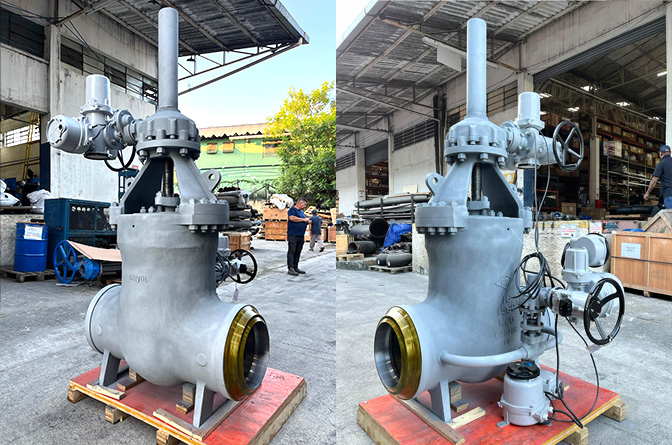
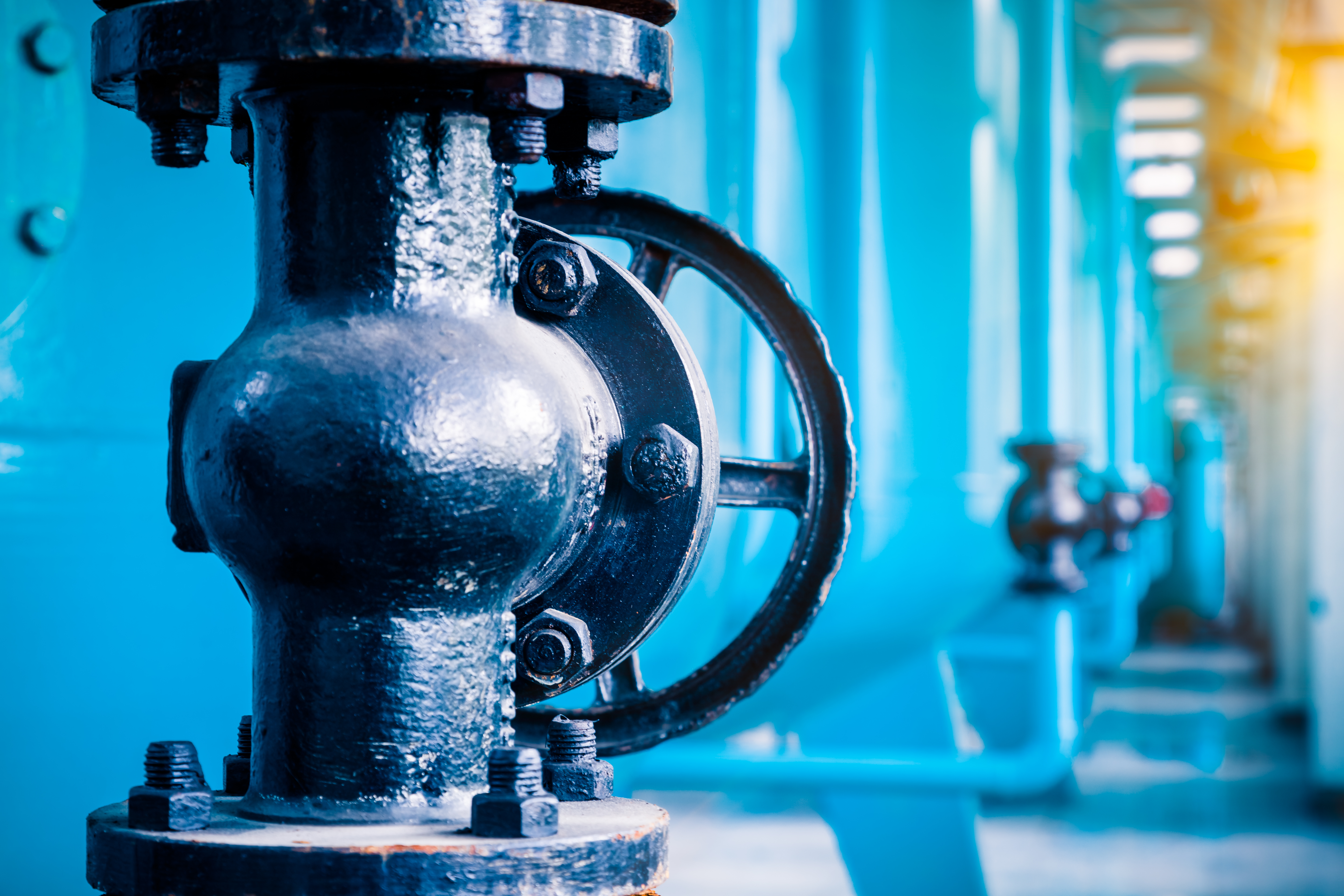
In some applications, valves may have as an accessory, in addition to the actuator, a manual handwheel to operate the valve in the event of failure of the valve's positioner or pneumatic actuator. This handwheel mechanically actuates the valve stem and, when it actuates the valve opening, we cannot actuate the valve pneumatically as it is mechanically locked.
Stay tuned for future posts, as we'll cover the specifics of each model.
Count on us to help you with your next project! Contact us!
(11) 2858 – 9000
Source: https://pt.wikipedia.org/wiki/Atuador