

Valves are essential structures in various processes. And in industry, this is no different.
In industrial processes, it can represent up to 15% of the entire installation. However, it's important to keep in mind that valve types and sizes must be specified correctly, as this is crucial for the system's proper functioning.
Valves are specific to each function. Therefore, any equipment, such as a pump, can be seriously damaged or have its performance reduced because they work in conjunction with a valve.
We can encounter two situations/problems if the Valve is selected only by Pipe Size:
– Undersized Valve – there is a considerable decrease in process efficiency.
– Oversized Valve – above-average maintenance and installation costs occur.
For correct sizing and best use of valves, calculations must be carried out, relating to the physical state of the fluid.
By performing a correct gauge calculation, it is possible to:
– choose the ideal material to overcome corrosion, according to the fluid that will be in constant contact with the valve;
– reduce noise;
Finally, it's important to know that valves can be divided into three main types and are used according to the type of industry in which they will operate:
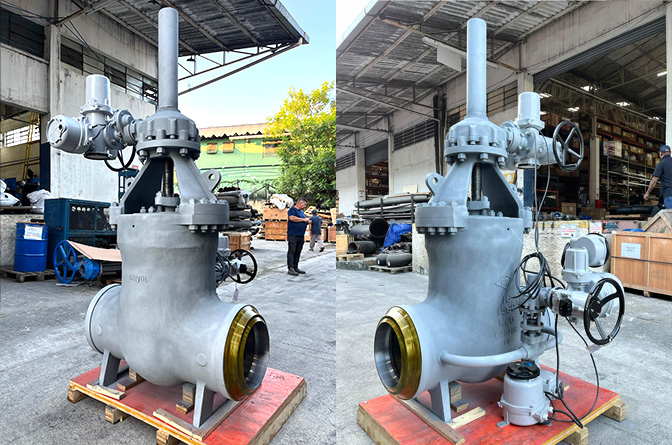
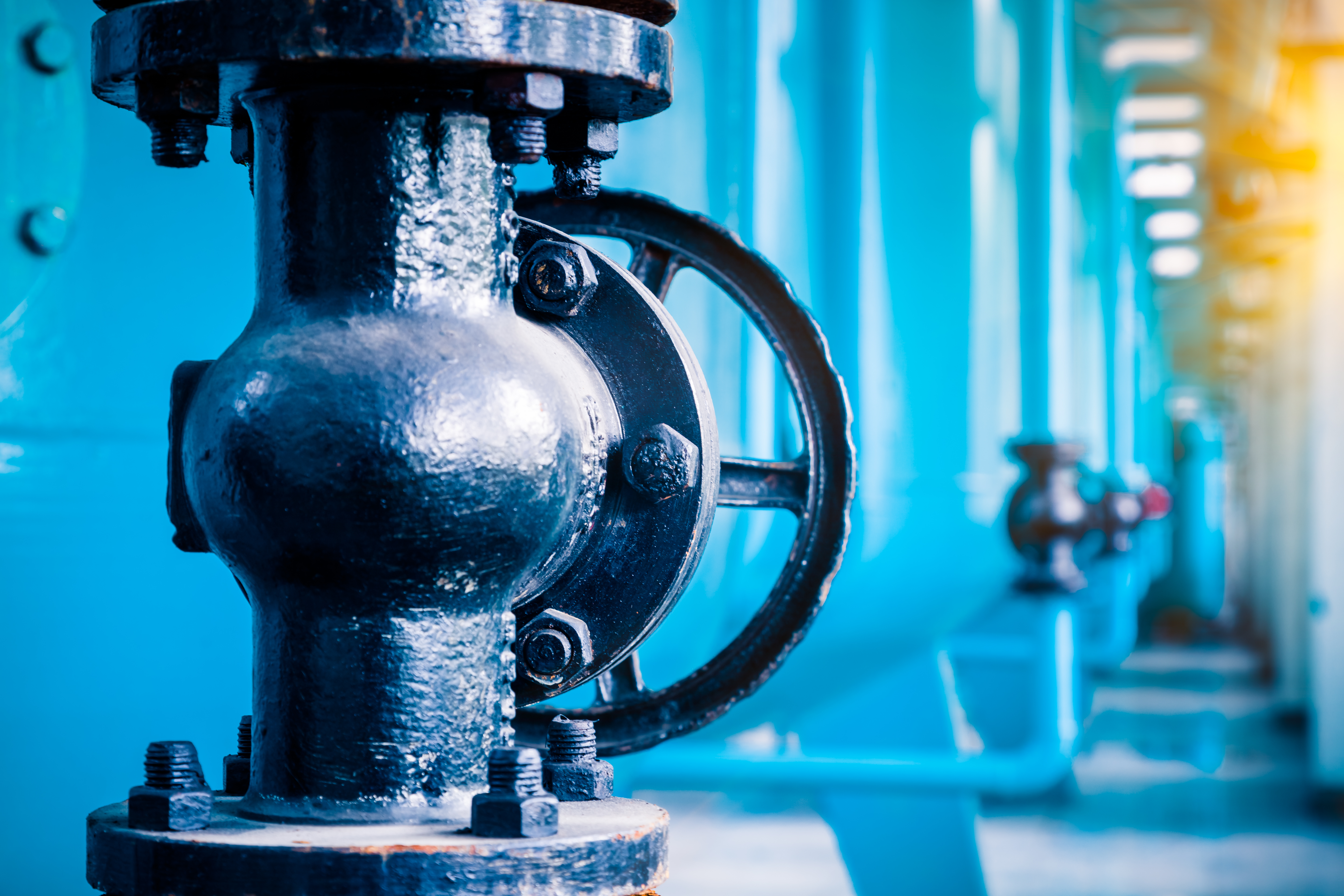
– Industrial – Check valves , gate , globe , diaphragm, sleeve, knife gate, male, ball and butterfly .
– Safety – Valves that have a spring and pilot and are used in equipment that is subject to pressure higher than atmospheric pressure;
Automatic control valves – These valves are activated by an electric, pneumatic, or electropneumatic command. They do not require operator intervention. They can be single or double-seat globe valves, three-way globe valves, segmented sphere valves, eccentric shutter valves, and others.
The success of an industrial plant depends on the correct valve selection. Therefore, it's essential to make the best selection based on the type of industry, pressure, fluid, and purpose.