Forged steel is a type of steel that has specific characteristics. Unlike cast iron, forged steel requires a more laborious process, as it is worked in a solid state under impact.
To help you better understand what it's all about, we've prepared a summary of the main points you need to know about forged steel and its applications . Check it out:

Forged Steel, what is it?
To understand how Forged Steel is obtained, we need to go back a little further, to the ingots.
Ingots are pieces of metal that are heated to their melting point and then cooled in molds, usually in the form of strips or blocks, as this makes handling and transportation more efficient.
These steel ingots, once they have reached a solid state, are heated again to begin the steel forging process.
The ingots are heated in such a way that they allow the steel to acquire a certain ductility, which is the ability to be transformed into another shape, through the application of mechanical force.
From there, the heated ingot is then exposed to repeated high-impact blows until the metal acquires the desired shape for the desired function.
What is the main difference between forged steel and other types of steel?
The main difference from other metals is that steel is harder, and for this reason it cannot be cold forged.
Even so, after being heated to reach the appropriate ductility to begin the steel forging process, it remains resistant, even presenting greater resistance than cast iron.
Regarding the ingots that give rise to forged steel, it is important to know that they are pieces of considerable size, and that, as mentioned previously, they are produced by pouring the steel into a mold, which will give it the desired shape, usually in strips, or blocks.

Another important point about forged steel is that this type of steel, because it has a forging process rather than a casting process, has a more solid structure, with less possibility of having bubbles or cracks in its body compared to other types of steel.
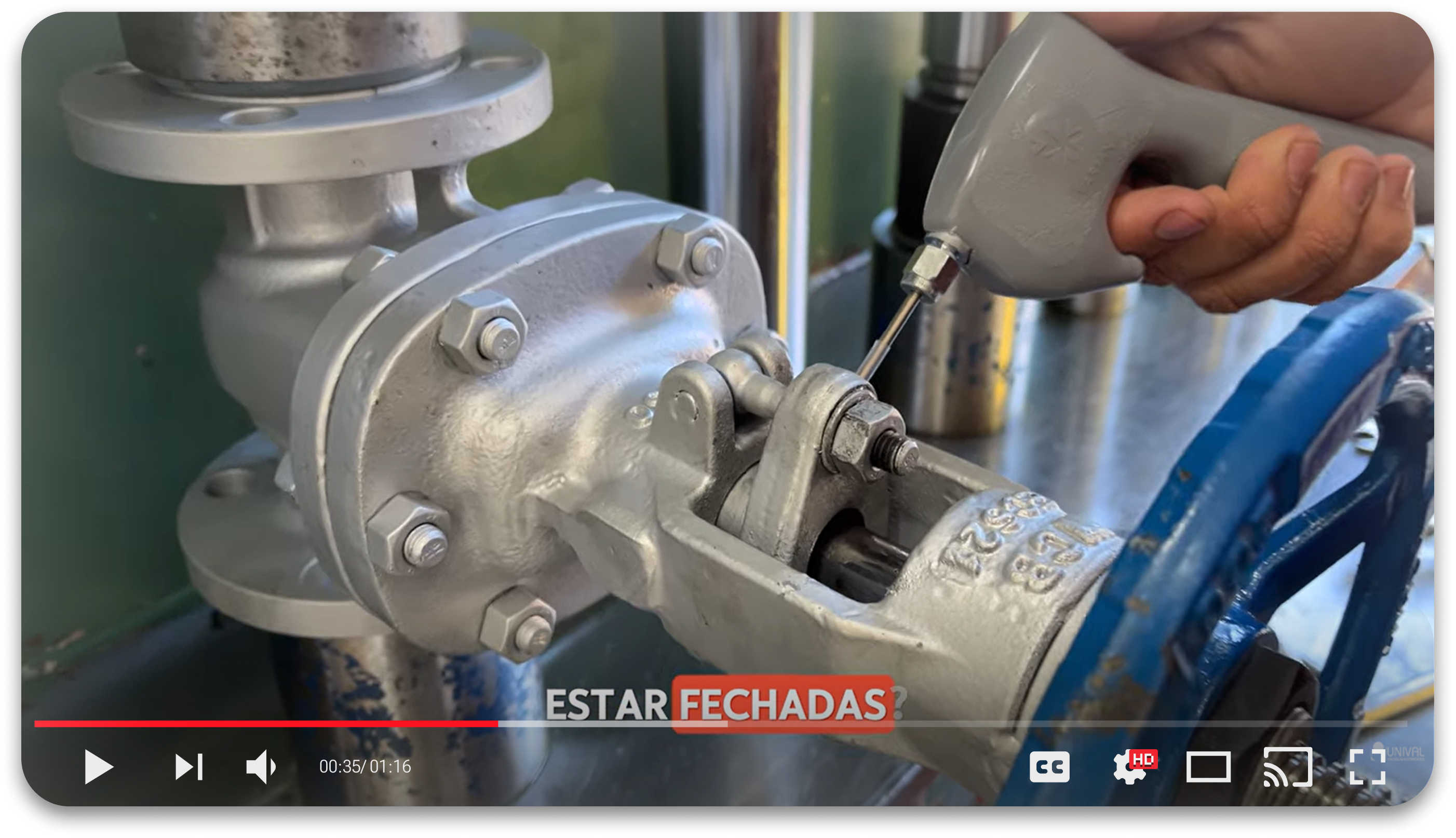
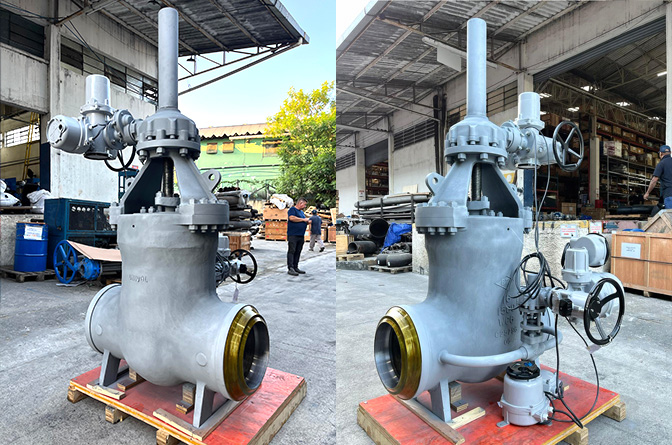
Therefore, forged steel ends up being one of the best steel options for use in industrial valves and other applications that depend on components with high resistance capacity under more demanding conditions.
It is worth noting that, although forged steel has a higher cost compared to other types of metals, it tends to offer excellent value for money , due to the fact that it also delivers considerably greater durability.
Among the main characteristics of forged steel we can mention:
- The production process is more expensive than that of cast steel;
- The resistance of forged steel is greater than that of cast steel;
- In forging, a new characteristic appears: Anisotropy, which is different resistances in the axes of forged steel;
- Regarding manufacturing capacity, forged steel is more limited, as the piece is worked in a solid state, which affects the size of the final product.
Now that you have a better understanding of the application of forged steel , and what its main characteristics and differences are, contact our team of experts, or visit our virtual catalog to learn more about our industrial valve solutions!